








Large Stock Available
Domestic & Commercial
Installation Within 10 Days
Quality
Of Work
Parking Security
Price Match Guarantee


What to Know Before Choosing Automatic Bollards
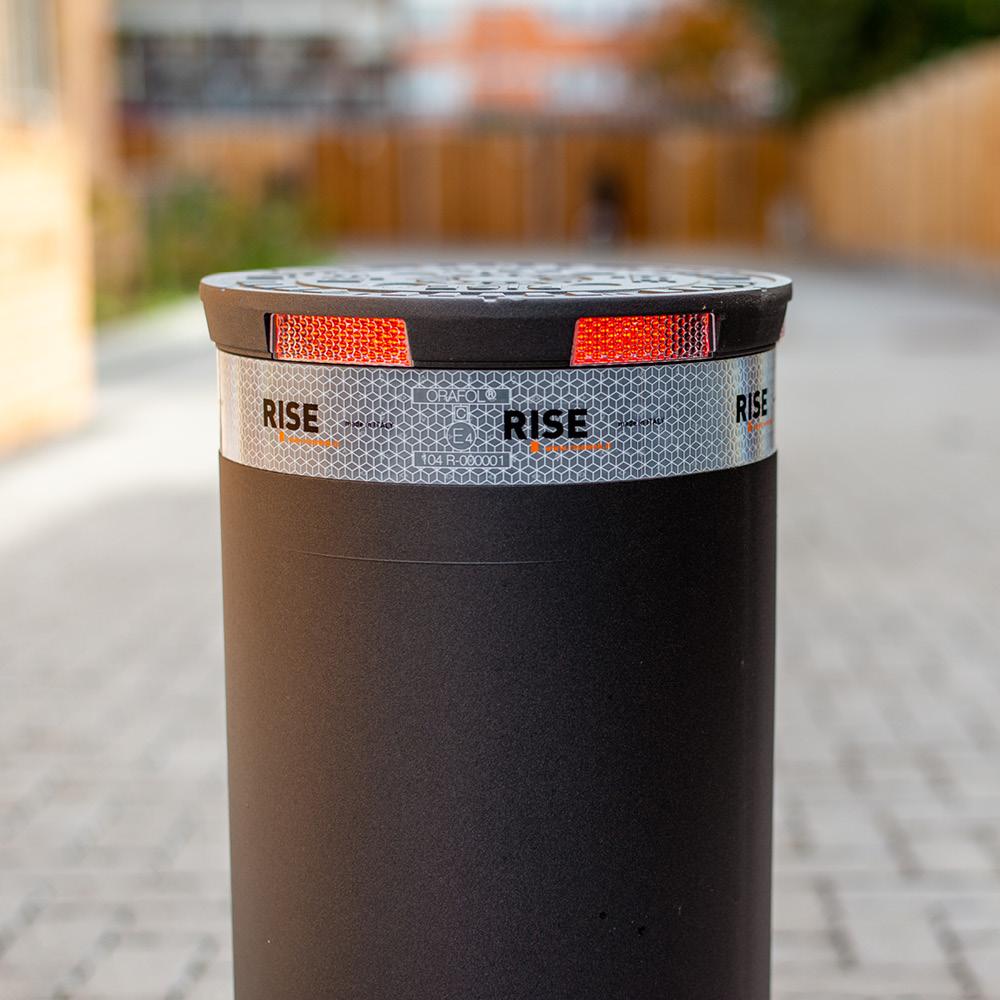
Automatic bollards provide a convenient way to secure a driveway or manage vehicle access without relying on gates, chains or manually operated posts. At the touch of a button, the bollards lower into the ground, allowing an authorised vehicle to pass before rising again to protect the entrance.
For homeowners, automatic driveway bollards can help deter vehicle theft by creating a visible and physical obstruction in front of a parked car. For businesses, automatic security bollards can manage access to car parks, loading bays, staff entrances and restricted areas.
At Bollard Security, we supply and install wireless, electromechanical and hydraulic automatic bollards throughout the UK. Our directly employed engineers carry out the groundwork and installation, while our in-house electricians complete the electrical connections.
Choosing the right system involves more than selecting a bollard that looks suitable. Before committing to an installation, you should consider the level of protection required, the frequency of use, the available controls, the condition of the ground and your overall budget.
Automatic Security
What Are Automatic Security Bollards Designed to Do?
Automatic security bollards are designed to create a physical barrier across a vehicle entrance while still allowing convenient access for authorised users.
On a residential driveway, the main aim will often be to help deter or prevent vehicle theft. When raised, automatic bollards form an additional layer of defence between a parked car and the road. This can make them particularly suitable for high-value vehicles, motorhomes, campervans and homes where traditional gates are impractical.
For commercial properties, automatic rising bollards may be used to regulate deliveries, protect staff areas, manage visitor access or prevent unauthorised vehicles from entering restricted zones.
It is important to choose a system that matches the actual risk. Standard access-control bollards should not be confused with independently impact-tested security bollards. Where maximum security or hostile vehicle mitigation is required, the specific product rating must be checked.
Is It Right For You?
Are Automatic Driveway Bollards Right for Your Property?
Automatic driveway bollards may be appropriate if you want a strong, visible deterrent without manually lifting and lowering a post each time you use the driveway.
They can be particularly useful where:
- Conventional gates cannot be installed
- The driveway is wide or exposed
- Several vehicles enter and leave regularly
- A high-value vehicle is parked outside
- Convenience is a priority
- The bollards need to be controlled remotely
Because they are fully retractable, automatic bollards disappear below ground when lowered. This preserves the open appearance of the driveway and allows vehicles to pass without navigating around a permanent obstruction.
Choose Your System
Which Type of Automatic Rising Bollards Should You Choose?
Bollard Security supplies wireless, electromechanical and hydraulic automatic rising bollards. Each technology offers different benefits and is suited to different levels of use.
The right choice will depend on the available power supply, the number of daily operations, the required level of security and your budget.
Wireless
Wireless Automatic Driveway Bollards
Wireless battery-powered bollards can be a practical option where installing a mains electrical supply would be difficult or unnecessarily disruptive.
Our range includes the Eco Rise wireless automatic bollard, which is designed for residential use. It provides automatic operation without the same cabling requirements as conventional electric bollards.
A wireless bollard still needs professional groundwork, suitable drainage and a secure concrete foundation. The battery will also need to be charged or replaced in line with the manufacturer’s instructions.
Wireless systems may suit homeowners who want convenient automatic security but have limited access to a nearby electrical supply.
Electric
Electromechanical Electric Bollards
Electromechanical electric bollards use an electric motor and mechanical drive to raise and lower the post. We supply models including BFT Stoppy and CAESAR bollards. These electric rising bollards are commonly suited to residential driveways and entrances with low to moderate traffic levels.
For many homeowners, electromechanical bollards provide a useful balance between cost, reliability and convenience. They can be operated by remote control and integrated with other access methods where required. They are generally more affordable than larger hydraulic systems, although the exact cost depends on the bollard size, finish, controls and installation requirements.
Hydraulic Automatic Rising Bollards
Hydraulic automatic rising bollards use fluid pressure to raise and lower the post. They are often selected for heavier bollards, frequent use and more demanding residential or commercial applications.
Our hydraulic range includes Spartacus and BFT Pillar models in different heights, diameters and finishes. Depending on the product, available features may include LED lighting, audible warnings, manual releases, obstacle detection and control panels capable of operating several bollards together.
Some hydraulic models are built for intensive use, making them suitable for busy car parks, commercial entrances and controlled public spaces. Hydraulic operation does not automatically mean that a bollard has been impact tested. The duty cycle, construction and security rating must be checked for the individual product.
How Frequently Will Automatic Rising Bollards Operate?
A private driveway may only require several operating cycles each day. A commercial car park, hospital, school or loading bay could require hundreds or even thousands.
Choosing the wrong system can place unnecessary strain on the mechanism and reduce its service life. A residential electromechanical or wireless bollard may be entirely suitable for occasional use, while a high-traffic entrance may require a hydraulic system with a greater duty cycle.
At Bollard Security, we consider the expected number of daily vehicle movements before recommending a product. This helps ensure that the bollards are designed for the way the entrance will actually be used.
Access Control
How Do Automatic Bollards Control Vehicle Access?
Automatic bollards can be connected to a range of access-control systems. Available options may include:
The appropriate method depends on who needs access and how the property is managed. For a residential driveway, a remote control or smartphone system may offer the greatest convenience. For commercial properties, a keypad, intercom or RFID system may provide more control over staff, visitors and delivery drivers.
A smart access system should also make it straightforward to remove old users, disable lost remotes and add new permissions.
Can Electric Bollards Be Operated by Remote Control?
Many electric bollards can be controlled remotely using a handheld fob or remote control. This allows the driver to lower the bollards without leaving the car. Once the vehicle has entered or left the driveway, the bollards can be raised again to secure the entrance.
Smartphone controls may also be available, depending on the selected system. This can be useful where several family members or authorised users require access. Commercial systems may be connected to intercoms, keypads or induction loops. An induction loop can detect when a vehicle is positioned above the bollard, helping to prevent it from rising beneath the car.
Commercial Applications
Which Security Bollards Are Suitable for Commercial Properties?
Commercial properties often require a different specification from residential driveways. Automatic security bollards may be used at:
- Staff car parks
- Loading bays
- Warehouses
- Schools
- Hospitals
- Managed residential developments
- Public spaces
- Restricted service areas
The product must be able to cope with the expected frequency of use. A busy commercial entrance may also require additional safety features, signage and access-control integration.
Pedestrian movement must be considered carefully. People should be able to walk through or around the entrance safely without standing over the operating area. Where the aim is to protect against vehicle impact rather than simply control access, the selected security bollards must have an appropriate independent test rating.
What Happens If Automatic Bollards Lose Power?
Every automatic bollard system should have a clear emergency override procedure. Depending on the product, the bollards may remain raised during a power cut, lower automatically or continue to operate temporarily through a backup power supply.
Some models include a manual release that allows the post to be lowered using a key. Certain hydraulic systems can also be configured to lower automatically if the power fails.
The most appropriate option depends on the site. A homeowner may prioritise being able to enter and leave the driveway, while a higher-security commercial site may require the bollards to remain raised.
After installation, the Bollard Security engineer will explain how the system operates and, where applicable, show you how to use its manual or emergency override.
Safe Operation
Which Safety Features Should Automatic Rising Bollards Include?
Automatic rising bollards move with considerable force, so safety should form part of the complete installation. Depending on the site, appropriate safety equipment may include:
- LED lighting
- Audible warnings
- Photocells
- Induction loops
- Pressure switches
- Obstacle detection
- Emergency stop controls
- Warning signs and road markings
These features can help prevent the bollards from rising beneath a vehicle and make them more visible to approaching drivers.
The correct safety configuration will depend on the entrance layout, the number of vehicles and whether pedestrians share the area. A stylish finish should never take priority over safe operation. The complete system must suit both the appearance of the property and the way people and vehicles use the entrance.
What Size and Finish Should Automatic Driveway Bollards Have?
Automatic driveway bollards are available in several heights, diameters and finishes. A larger diameter can create a stronger visual deterrent, but the level of protection depends on more than the size of the post. Construction, foundation design and verified security ratings must also be considered.
Available finishes may include:
Galvanised steel
Powder-coated steel
Integrated LED lighting
Stainless steel can provide a sleek finish for modern homes, while galvanised or powder-coated products may suit commercial or industrial sites. Because the bollards are fully retractable, the tops should sit neatly within the surrounding surface when lowered. A properly carried out installation should avoid creating an unnecessary trip hazard.
Professional Installation
What Does Automatic Bollard Installation Involve?
Automatic bollard installation combines groundwork, drainage, concrete construction, electrical work and system commissioning. The bollards retract into underground foundation boxes, so the installation requires more preparation than a fixed or surface-mounted post.
Before work begins, we need to assess:
- Underground electricity cables
- Gas and water pipes
- Telecommunications equipment
- Groundwater and drainage
- The existing driveway surface
- The distance to the power supply
- The required concrete foundations
How Is the Ground Prepared for Security Bollards?
The ground must be excavated to the correct depth for the selected bollard and foundation box. Drainage is particularly important because water should not collect around the underground mechanism. Poor drainage may affect operation, accelerate wear and increase maintenance requirements.
At Bollard Security, our engineers use professional CAT scanners to check for underground services before groundwork is carried out. For more complex hydraulic projects, a site survey can be used to assess the ground, drainage and access requirements.
Unsure whether your driveway is suitable? Contact us today to discuss the surface, drainage and available installation options.
Who Carries Out the Automatic Bollard Installation?
We have our own team of engineers and in-house qualified electricians to carry out installations. This gives our customers a single point of contact responsible for the product, groundwork, electrical connections, commissioning, and aftercare.
Once the installation has been completed, the engineer will test the system and explain:
- How to raise and lower the bollards
- How to use the remote control
- How the system’s manual or emergency override works, where applicable
- What maintenance is required
- What is covered by the warranty
Using one team throughout the process also makes it clearer who to contact if advice, servicing or repairs are required later.
How Long Does Automatic Bollard Installation Take?
The installation time depends on the number of bollards, the chosen system, the driveway surface and the drainage and electrical requirements.
An automatic installation is more involved than fitting a manual telescopic post. Complex projects may require additional time for excavation, concrete curing, electrical connections, control setup and safety testing.
What Maintenance Do Electric Bollards Require?
Electric bollards and hydraulic bollards require regular maintenance to remain safe and reliable.
Servicing may include:
- Cleaning the bollard and underground casing
- Checking the drainage
- Inspecting electrical connections
- Testing remote controls
- Checking safety sensors
- Inspecting moving components
- Checking hydraulic fluid and seals
- Testing the emergency release
A residential bollard used several times a day will have different servicing requirements from a hydraulic system at a busy commercial property.
Bollard Security provides a 24-month warranty on installations, with up to 48 months available on automatic bollards. The first service is also included with automatic bollard installations, subject to the terms of the selected product.
Costs
How Much Are Automatic Security Bollards?
The price of automatic security bollards varies according to the technology, size, finish, controls and security specification.
Wireless and electromechanical models may suit customers working with a lower budget. Larger hydraulic systems, advanced controls and impact-tested products will generally cost more.
We supply a range of products with supply-and-installation packages, and kits with installation quoted separately.
Planning
Do You Need Planning Permission for Automatic Driveway Bollards?
Planning permission is not normally required simply because a bollard is being installed on land you own. However, further checks may be necessary if the property is:
- Listed
- Located in a conservation area
- Subject to specific planning restrictions
- Beside a classified road
- Part of a leasehold or shared-access arrangement
Commercial work, changes to vehicle access and installations affecting a pavement or highway may also require approval. Where there is any uncertainty, contact your local planning authority before arranging the work. Leaseholders and tenants should also obtain permission from the property owner or management company.
Automatic Bollard Security
Choose Automatic Bollards with Bollard Security
Automatic bollards can provide a modern security solution for residential driveways, commercial properties, car parks, loading bays and controlled public spaces.
The right system should match the required level of defence, daily operating frequency, access controls, ground conditions and available budget. It should also be professionally installed, correctly drained and supported by suitable maintenance and aftercare.
Bollard Security supplies wireless, electromechanical and hydraulic automatic bollards throughout the UK. Our directly employed engineers and in-house electricians manage the installation from groundwork through to final testing and customer handover.
Ready to discuss your driveway or vehicle access requirements? Contact Bollard Security for tailored product advice and an installation quotation.